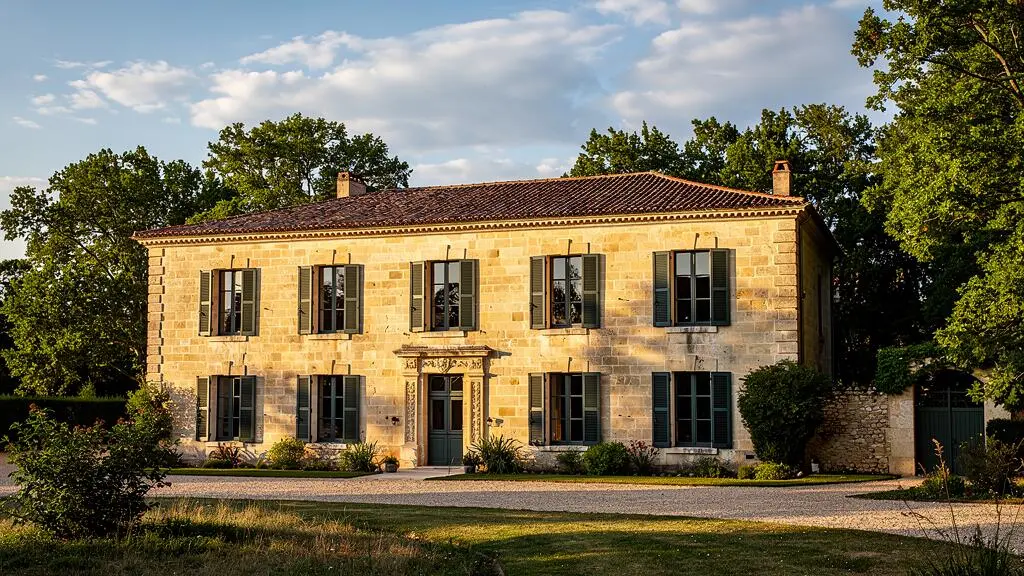
The dream of owning a French château has long captivated UK property buyers, yet most dismiss it as financially unattainable fantasy. The reality proves more nuanced: whilst true classified châteaux command premium prices, South-West France offers a spectrum of historic manor houses, maisons de maître, and smaller estates within reach of buyers holding £300,000 to £400,000 budgets. The challenge lies not in affordability alone, but in understanding unfamiliar property terminology, understanding regional value differentials, and avoiding the costly pitfalls that consistently trap foreign purchasers unfamiliar with French renovation realities and conveyancing procedures.
This guide addresses the practical question facing UK buyers: what does purchasing a prestige period property in South-West France actually require—financially, logistically, and legally—and how can you execute this process successfully without the budget overruns or structural disasters that transform aspiration into expensive mistake? The answer demands clarity on three fronts: precise understanding of French property classifications, strategic regional targeting based on objective criteria rather than reputation, and rigorous pre-purchase inspection protocols that reveal true condition before commitment.
This article provides general information about French property purchase processes and considerations. It does not constitute personalised financial or legal advice. UK buyers should consult independent legal counsel and financial advisers before committing to international property transactions.
- Why the South-West draws buyers to French manor houses and estates
- What actually qualifies as a château or mansion in French property listings?
- Which South-West départements offer the strongest opportunities?
- How much does a castle or manor house truly cost in this region?
- What must you inspect before committing to a historic property?
- Pitfalls that catch foreign buyers off-guard
- Turning your château dream into a concrete search strategy
Why the South-West draws buyers to French manor houses and estates
South-West France occupies a distinctive position in the French property landscape, combining lifestyle advantages with pragmatic accessibility that other celebrated regions struggle to match. The temperate climate benefits from Mediterranean influence without commanding Côte d’Azur price premiums, whilst remaining notably milder than northern French départements throughout winter months. For UK buyers contemplating year-round occupation or extended seasonal residence, this climatic advantage translates directly into livability and heating cost implications.
The region’s accessibility framework addresses a critical constraint for foreign purchasers planning viewing trips and maintaining future UK connections. International airports at Bordeaux, Toulouse, Limoges, and Bergerac provide multiple entry points with regular UK flight services, enabling practical door-to-door journey times that make intensive property viewing trips feasible within long weekends. A buyer based in Surrey can realistically reach a Limousin property within five to six hours of total travel time via limousinpropertyagents.com, transforming what might seem geographically remote into a logistically manageable destination.
The economic rationale proves equally compelling. Comparative analysis reveals that £350,000—sufficient for a modest three-bedroom semi-detached property in many Home Counties locations—secures substantial period manor houses with multiple reception rooms, four to six bedrooms, original architectural features, and several acres of grounds in Limousin or Lot départements. This value differential reflects not inferior quality but rather lower local demand pressures and cost-of-living structures compared to both UK equivalents and France’s higher-profile regions like Provence or the Loire Valley.
Established anglophone communities provide practical support without creating isolated expatriate enclaves. Long-standing British and international resident networks offer bilingual tradespeople recommendations, administrative guidance, and social integration opportunities that reduce the isolation anxiety many prospective buyers harbour. These communities emerged organically over decades rather than through recent development schemes, lending them stability and local integration that benefits newcomers navigating language barriers and cultural adaptation.
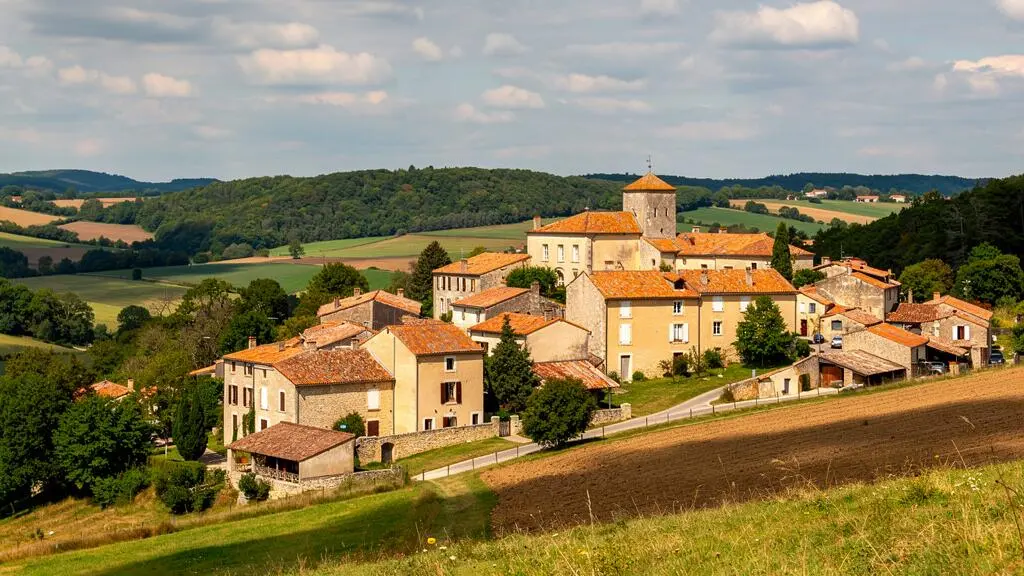
What actually qualifies as a château or mansion in French property listings?
French property terminology presents the first significant challenge for UK buyers accustomed to regulated classifications. Unlike Britain’s listed building grades or conservation area designations, property marketing terms in France lack legal standardisation. A listing agent may legitimately label a property ‘château’ based purely on architectural ambition or historical association, regardless of whether it meets any objective heritage criteria or possesses defensive origins traditionally associated with the term.
A genuine château typically implies several characteristics: historical defensive or noble residential origins, substantial scale exceeding 400 square metres, significant landholdings forming an estate rather than merely garden grounds, and architectural grandeur reflecting its original aristocratic function. Many authentic châteaux carry Monument Historique classification, the French equivalent of listed building status, which imposes renovation restrictions requiring approval from the Architecte des Bâtiments de France for any exterior alterations. According to the French Ministry of Culture, such approvals typically require one to two months for processing, with roughly 400,000 heritage opinions issued annually across France.
The manoir and maison de maître categories represent more accessible entry points for buyers operating within £300,000 to £400,000 budgets. A manoir (manor house) historically denoted a rural noble residence of smaller scale than a château, typically dating from the 17th to 19th centuries, offering period architectural character, multiple reception rooms, four to eight bedrooms, and land measured in acres rather than the extensive parklands associated with châteaux. A maison de maître (master’s house) occupied a similar prestige tier, often representing a wealthy merchant’s or professional’s substantial town or country residence built during the same period with comparable scale and quality finishes.
The gentilhommière sits slightly below these categories—a country house built for minor gentry or prosperous farmers, typically offering 200 to 350 square metres, four to six bedrooms, and more manageable grounds. For recently retired couples contemplating semi-permanent relocation, this category often provides optimal scale without the maintenance burden or heating costs of larger properties.
| Property type | Typical characteristics | Realistic UK budget range | Heritage restrictions |
|---|---|---|---|
| Château | Historic noble/defensive origins, 400m²+, extensive parkland, architectural grandeur | £500k+ (classified examples often £1m+) | Frequently Monument Historique listed |
| Manoir | Rural manor house, 250-400m², period features, several acres, 17th-19th century | £150k-£400k depending on condition/region | Occasionally listed; check locally |
| Maison de maître | Substantial period residence, 200-350m², quality finishes, town or country setting | £180k-£350k depending on location | Rarely listed unless exceptional |
| Gentilhommière | Gentry country house, 200-300m², 4-6 bedrooms, manageable grounds | £120k-£280k in rural SW areas | Generally unrestricted |
Marketing photographs typically showcase properties during optimal conditions—summer sunshine, manicured gardens, selective angles obscuring outbuilding disrepair or roof concerns. The scale of secondary structures requiring maintenance, true condition of dependencies like stables or pigeonniers (dovecotes), and extent of grounds demanding regular upkeep frequently emerge only during physical inspection. Buyers must approach listing terminology with interpretive scepticism, evaluating substance through direct assessment rather than accepting marketing classifications at face value.
Which South-West départements offer the strongest opportunities?
South-West France encompasses multiple départements, each presenting distinct trade-offs between pricing, accessibility, infrastructure, and market maturity. Strategic regional targeting based on objective criteria rather than reputation enables buyers to optimise value against personal priorities.
Dordogne commands the highest international recognition, particularly amongst British buyers drawn to its bastide villages, Vézère Valley prehistoric sites, and established anglophone networks. This popularity translates into premium pricing relative to neighbouring départements and heightened buyer competition for quality properties. Average sale prices for four to five-bedroom period properties in desirable Dordogne communes typically command 15% to 25% premiums over comparable Limousin properties. The département compensates through mature infrastructure: extensive bilingual professional services, reliable renovation contractors experienced with foreign clients, comprehensive amenities, and excellent transport links via Bergerac and Bordeaux airports.
Limousin (comprising Haute-Vienne, Corrèze, and Creuse départements) offers superior value propositions for budget-conscious buyers seeking authentic rural character without premium location surcharges. Properties marketed between £150,000 and £300,000 in Limousin frequently deliver specifications requiring £250,000 to £400,000 in Dordogne: substantial stone manor houses, original features including exposed beams and limestone fireplaces, outbuildings with conversion potential, and land parcels of two to five acres. The market remains growing rather than saturated, providing negotiating leverage and time for considered decision-making absent in Dordogne’s faster-moving competitive environment. Limoges airport maintains regular UK connections, whilst the région’s position enables road access to both Atlantic coast and Massif Central landscapes.
Lot presents dramatic topography—limestone plateaux, river valleys, medieval villages perched on clifftops—appealing to buyers prioritising landscape character over convenience. Pricing sits between Limousin value levels and Dordogne premiums, with accessibility varying significantly: properties near Cahors or along the Lot Valley benefit from reasonable access, whilst more remote communes demand tolerance for longer distances to airports (Toulouse typically 90+ minutes) and services. Buyer density remains lower than Dordogne, potentially complicating resale but offering tranquillity and authentic rural immersion.
Gers, the heart of Gascony, attracts buyers drawn to Armagnac country, bastide architecture, and agricultural landscapes. Properties often include working or former farm buildings, appealing to those contemplating gîte businesses or agricultural pursuits. Remoteness from major airports (Toulouse nearest at 60-90 minutes depending on location) filters the buyer pool, maintaining price competitiveness but requiring commitment to rural lifestyle and vehicle dependency.
Charente and Charente-Maritime benefit from coastal proximity influence without direct seaside pricing. The départements offer moderate pricing, good motorway connections, and Cognac region cultural appeal. They receive less British buyer focus than Dordogne, potentially offering value for those willing to explore beyond established corridors.
| Département | Price positioning | Airport access | Buyer competition | Best suited for |
|---|---|---|---|---|
| Dordogne | Premium (baseline +15-25%) | Excellent (Bergerac, Bordeaux) | High | Infrastructure priority, established networks |
| Limousin | Strong value | Good (Limoges direct UK flights) | Moderate-Low | Budget optimisation, authentic rural character |
| Lot | Moderate | Variable (Toulouse 90+ mins) | Low-Moderate | Dramatic landscapes, accepting remoteness |
| Gers | Competitive | Moderate (Toulouse 60-90 mins) | Low | Agricultural lifestyle, tranquillity priority |
| Charente | Moderate-Good value | Good (motorway links, regional airports) | Low | Overlooked alternative, balanced access/price |
How much does a castle or manor house truly cost in this region?
Realistic financial planning demands total cost modeling that extends well beyond advertised purchase prices. UK buyers consistently underestimate aggregate expenditure by focusing on acquisition cost alone whilst neglecting the substantial additional tranches required for legal completion, essential works, and ongoing operation.
Purchase prices for South-West prestige properties span a broad spectrum. Renovation projects requiring comprehensive structural intervention begin from £30,000 to £50,000 for properties marketed primarily for land value or conversion potential. Habitable manor houses and maisons de maître with period features intact but requiring modernisation typically range from £150,000 to £250,000 across Limousin, Lot, and rural Charente. Premium examples in superior condition or desirable Dordogne communes reach £250,000 to £400,000. True classified châteaux with Monument Historique status generally exceed these ranges substantially, often commanding £500,000 upwards, placing them beyond most UK retirement buyers’ practical budgets.
French acquisition costs add approximately 7% to 8% to the purchase price for older properties. These costs include registration taxes, land registry fees, and the notary’s professional charges. For a £250,000 property, buyers should therefore budget approximately £17,500 to £20,000 for these mandatory expenses. Agency fees in France are often paid by the seller and included in the advertised price, but this should always be verified. Some properties may be advertised with agency fees excluded from the displayed price, which means the buyer needs to account for these additional costs separately.
Currency exchange considerations affect UK buyers purchasing in euros. Exchange rate fluctuations between reservation and completion can materially impact final sterling costs, warranting forward currency contracts or similar hedging mechanisms for budget certainty.
Critical budget pitfall: The most common financial catastrophe befalling UK buyers involves exhausting available capital on purchase and acquisition costs, leaving insufficient reserves for essential habitability works. A £300,000 total budget allocated as £280,000 purchase plus £20,000 fees leaves zero margin for the roof repairs, heating system replacement, or electrical upgrades frequently required in period properties—forcing either immediate resale at loss or unplanned borrowing at disadvantageous terms.
Renovation cost modeling requires distinguishing between condition tiers. Properties marketed as ‘habitable but requiring updating’ typically need cosmetic refreshment—redecoration, kitchen and bathroom modernisation, garden tidying—budgeting £20,000 to £40,000 depending on scale and specification. ‘Major systems renovation’ implies roof intervention, heating installation or replacement, electrical rewiring to modern standards, possibly septic system (assainissement) upgrades, demanding £50,000 to £100,000+ depending on property size and system conditions. ‘Structural rescue’ projects requiring masonry stabilisation, timber frame treatment, or comprehensive rebuilding can exceed purchase prices, transforming apparent bargains into budget catastrophes.
Professional surveys conducted before purchase commitment remain essential. French survey conventions differ from UK practices: diagnostic reports are mandatory but cover specific technical elements rather than providing comprehensive structural assessment. Commissioning an independent structural survey, whilst incurring £800 to £1,500 cost, frequently reveals issues warranting price renegotiation of tens of thousands.
Ongoing costs demand equal attention. Taxe foncière (property tax) varies by département and property assessment but typically ranges from £800 to £2,500 annually for substantial rural properties. Utilities for large period buildings with volume to heat significantly exceed compact modern dwelling costs. Insurance for heritage or rural properties, heating oil or electricity for 300+ square metre spaces, grounds maintenance, pool upkeep where applicable, and periodic maintenance reserves all require budgeting. Annual running costs of £8,000 to £15,000 represent realistic planning assumptions for manoir-scale properties occupied year-round.
Worked example—£300,000 total budget allocation Purchase price £235,000 + acquisition costs £18,000 (7.7%) + immediate essential works £35,000 (roof repairs, heating system, electrical certification) + reserve fund £12,000 = £300,000. This model maintains financial prudence whilst achieving habitable outcome, whereas allocating the full £300,000 to purchase alone eliminates renovation capacity entirely.
What must you inspect before committing to a historic property?
Limited viewing time and unfamiliar building conventions make prioritised inspection protocols essential for UK buyers. Focusing assessment on the elements driving largest potential costs enables informed purchase decisions despite expertise gaps.
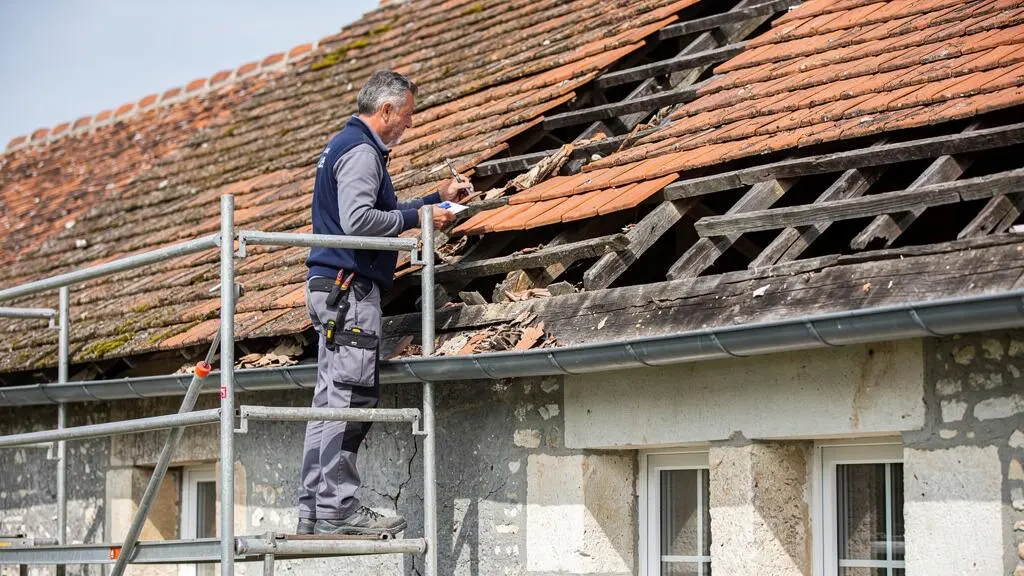
The structural trinity—roof, foundations, and timber—warrants primary attention. Roof condition represents the single largest cost risk in period properties. Assess tile or slate material (traditional canal tiles, flat tiles, or slate depending on région), visible defects including slipped or broken tiles, ridge integrity, valley condition, and evidence of recent repairs. Enquire about roof age and last intervention: traditional roofing materials last 60 to 100+ years when properly maintained but approach end-of-life requiring comprehensive replacement costing £25,000 to £60,000+ for manor-scale buildings. Internal roof space inspection during viewings reveals timber batten condition, sarking, and water ingress evidence invisible from exterior assessment.
Foundation and wall integrity governs structural viability. Diagonal cracks tapering from windows or doors, horizontal cracking in rubble-filled walls, visible movement or bulging, damp penetration patterns at ground level, and mortar erosion between stonework all signal potential foundation settlement or wall instability. Period buildings exhibit some movement naturally, but progressive or recent cracking demands structural engineering assessment before purchase.
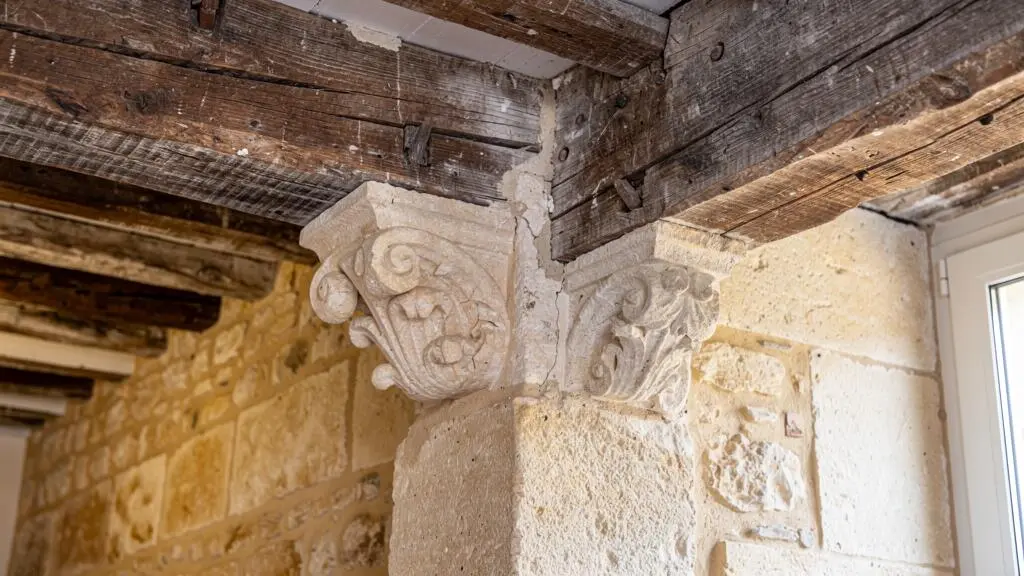
Timber frame condition affects properties with exposed beams or timber structural elements. Probe accessible beam ends and joists gently with a pointed tool: sound timber resists; compromised timber (woodworm damage or rot) allows penetration. Active woodworm infestation appears as fresh exit holes with light-coloured wood dust. Treatment proves relatively inexpensive, but structural timber replacement where load-bearing capacity is compromised escalates costs dramatically.
French mandatory diagnostics provide technical baseline information but require interpretation. The diagnostic de performance énergétique (DPE) rates energy efficiency from A (excellent) to G (very poor). Period properties frequently achieve only F or G ratings, signalling substantial heating costs and potential mortgage eligibility issues, as some French lenders restrict financing for properties below certain DPE thresholds. Improving DPE ratings through insulation, glazing, and heating system upgrades typically requires £15,000 to £40,000+ investment depending on property scale.
Additional mandatory diagnostics cover asbestos (properties built before 1997), lead paint (pre-1949 constructions), termite risk in designated zones, electrical and gas safety, and assainissement (septic system) compliance for properties not connected to mains drainage. Failed assainissement diagnostics mandate system replacement or upgrade before sale completion, costing £8,000 to £15,000+ depending on site conditions and regulatory requirements. These diagnostics must be provided by sellers but warrant careful review: poor results justify price renegotiation or withdrawal.
Heritage listing status investigation prevents post-purchase restrictions surprises. Verify whether the property or any portion carries Monument Historique classification or local heritage protection (bâtiment inscrit). Even partial listing—such as a façade or specific architectural element—imposes renovation restrictions requiring Architecte des Bâtiments de France approval for external alterations, with review periods extending one to two months according to official procedures. Whilst heritage status may qualify properties for restoration grants, the restrictions and approval bureaucracy often outweigh financial benefits for private residential purchasers.
- Roof system assessmentInspect tile/slate condition externally, check roof space internally for water ingress evidence, confirm age and recent intervention history, budget replacement costs if system approaching end-of-life.
- Structural integrity verificationIdentify crack patterns in walls and above openings, assess for progressive movement, check foundation-level damp penetration, distinguish historic settlement from active structural issues.
- Timber condition evaluationProbe exposed beam ends and structural timbers, identify active woodworm (fresh holes, light dust), assess rot in damp-prone areas, determine treatment versus replacement requirements.
- Mandatory diagnostics reviewExamine DPE energy rating and improvement implications, verify electrical/gas safety certification, check assainissement compliance for septic systems, identify asbestos/lead reports for older buildings.
- Heritage restrictions investigationConfirm Monument Historique or local listing status, understand renovation approval requirements if listed, assess grant eligibility versus restriction burden.
- Systems functionality testingVerify heating system type, age and condition, test water source and quality (mains/well/spring), assess electrical panel capacity, confirm internet connectivity reality in rural location.
- Land and boundaries confirmationMatch actual hectarage to listing claims, identify access rights or servitudes, check for agricultural tenant rights, assess realistic grounds maintenance burden.
Systems verification addresses quality-of-life factors often invisible during brief summer viewings. Heating system type (oil, gas, electric, heat pump) and age determine replacement timing and running costs. Water source and quality matter acutely in rural properties: mains connection provides reliability; well or spring sources require testing and may impose usage limitations. Electrical panel capacity affects whether modern appliance loads can operate simultaneously without upgrades. Internet connectivity in remote communes frequently disappoints expectations: verify actual available speeds rather than assuming coverage.
Pitfalls that catch foreign buyers off-guard
Recurring mistakes plague UK purchasers navigating French property acquisition, typically stemming from cultural and procedural assumptions that transfer poorly across jurisdictions. Awareness of these patterns enables proactive avoidance rather than expensive retrospective learning.
Renovation cost underestimation constitutes the most catastrophic error. British buyers consistently budget 40% to 60% below actual expenditure because UK contractor pricing assumptions fail in rural French contexts. Limited artisan availability in remote communes, premium charges for non-routine work on period buildings, specification creep during projects, and currency fluctuation over extended renovation timescales all compound budget pressure. Period properties conceal complications—outdated wiring behind plaster, roof timbers requiring replacement discovered only during re-roofing, regulatory upgrades mandated once works commence—that emerge progressively rather than appearing in initial quotes. Obtaining multiple detailed quotes before purchase, building 30% contingency margins, and securing renovation finance separately from purchase funds all mitigate this risk.
Isolation reality gaps emerge when properties appearing ‘near village’ on mapping prove impractically distant for daily life rhythms. What constitutes walkable distance in UK suburban contexts becomes vehicle-dependent in rural France. Three kilometres to the nearest bakery, eight kilometres to a supermarket, fifteen kilometres to medical services, and twenty-five kilometres to comprehensive shopping become daily travel and access requirements rather than occasional inconveniences. Winter weather compounds remoteness: properties on minor commune roads may experience delayed snow clearance or temporary inaccessibility during severe weather. Social integration demands concerted effort: whilst established anglophone communities provide networks, genuine local integration requires French language capability and active participation in community life. Understanding your tolerance for isolation versus proximity to services should guide regional and specific property selection.
French conveyancing procedure misunderstandings create legal and financial jeopardy for buyers applying UK process assumptions. The compromis de vente (preliminary contract) carries binding legal force once signed, unlike UK ‘subject to contract’ arrangements that permit withdrawal without penalty. Buyers withdrawing after the ten-day statutory cooling-off period without valid suspensive condition (such as mortgage refusal) forfeit their deposit—typically 10% of purchase price—and face potential legal action for additional damages.
Legal commitment point: UK buyers accustomed to non-binding preliminary agreements must recognise that signing the compromis de vente in France creates enforceable obligation to complete purchase. Conduct all investigations, secure definitive mortgage approval, and resolve any concerns before signing this document, not afterwards. The cooling-off period provides only ten days for reflection, not for conducting surveys or arranging finance.
The notaire role differs from UK solicitor representation. Notaires serve as public officials ensuring transaction legality and state interests rather than acting as buyer advocates. According to UK government guidance, British buyers should engage independent English-speaking legal counsel to protect their interests, particularly for complex transactions involving renovation projects, heritage properties, or commercial elements like gîte businesses.
Language barriers compound exponentially beyond basic tourist interactions when managing contractor negotiations, planning permission applications, utility company communications, and emergency service situations. Conversational holiday French proves inadequate for technical renovation specifications or legal document comprehension. Buyers should realistically assess their language capability and either commit to intensive learning, engage bilingual project managers for renovation works, or ensure access to reliable translation services for critical interactions. Rural communes outside established anglophone zones offer limited English-language accommodation compared to tourist areas.
Seasonal viewing distortion affects buyers conducting property searches during summer holiday periods. July and August sunshine creates misleading impressions of climate comfort, obscuring winter heating challenges and damp issues evident during colder months. Garden and grounds appear manageable during professional maintenance peaks but reveal true upkeep demands across full annual cycles. Villages animated by summer tourism revert to quieter year-round populations, potentially surprising buyers expecting sustained activity levels. Tourist-season atmosphere in popular areas contrasts markedly with off-season realities. Conducting at least one viewing trip during autumn or winter months, if possible, provides essential counterpoint to summer impressions.
Turning your château dream into a concrete search strategy
Transforming aspiration into acquisition requires structured progression through defined decision checkpoints, preventing both analysis paralysis and impulsive commitment.
Budget modeling finalisation establishes financial boundaries before emotional engagement with specific properties. Define total available capital, then allocate across mandatory tranches: purchase price (typically 70-75% of total), acquisition costs (7-8%), immediate essential works (15-20%), and contingency reserve (5-10%). This allocation determines maximum affordable purchase price—for £350,000 total budget, target properties listed at £245,000 to £260,000 maximum, preserving £27,000 for fees, £50,000 for essential works, and £20,000 reserve. Buyers stretching budgets to purchase price limits sacrifice renovation capacity, creating the inhabit-or-renovate dilemma that traps undercapitalised purchasers.
Geographic targeting focuses search energy productively. Select two to three priority départements based on personal criteria weighting: accessibility priority favours Dordogne or Charente with multiple airport options; value optimisation suits Limousin or Gers; landscape drama draws toward Lot. Within chosen départements, research specific communes and cantons balancing rurality against service access—Properties in communes within 15-20 minutes of market towns offering medical facilities, supermarkets, and bilingual professional services provide optimal rural character without isolation extremes.
Property type calibration prevents category confusion derailing search progress. Buyers holding £300,000 to £400,000 budgets should target manoir, maison de maître, or gentilhommière categories rather than pursuing château aspirations financially incompatible with realistic acquisition and renovation modeling. Define bedroom requirements based on actual usage rather than maximisation: four to five bedrooms suit most couples hosting family visits; six to eight bedroom properties impose heating and maintenance burdens justifiable only for commercial gîte operation or very large families.
Specialist agent engagement provides market access beyond public portals and reduces navigation friction for foreign buyers. Regional specialists maintain inventory depth, conduct preliminary screening matching criteria, facilitate viewing logistics across multiple properties during intensive trips, provide bilingual support through legal processes, and offer renovation contractor networks. Their commission (typically seller-paid in French transactions) delivers value through time efficiency and risk reduction that self-directed searching struggles to match when operating across language and distance barriers.
- Finalise financial framework (Month 1)Calculate total available capital, allocate across purchase/fees/renovation/reserve tranches, determine maximum property price, arrange mortgage approval in principle if financing required, establish currency exchange strategy.
- Define search parameters (Month 1)Select 2-3 priority départements weighting accessibility/price/services preferences, specify property type tier (manoir/maison de maître realistic for budget), define bedroom/land requirements, identify deal-breaker factors, establish acceptable condition tier.
- Engage specialist agents (Month 1-2)Contact regional property agencies with anglophone expertise and département focus, communicate budget and criteria clearly, request shortlist properties matching specification, arrange market briefings on target regions.
- Review inventory and create shortlist (Month 2-3)Assess listings against criteria checklist, research specific communes for each shortlisted property, verify accessibility to services and airports, prepare questions list for viewings, arrange preliminary legal consultation.
- Organise intensive viewing trip (Month 3-4)Cluster viewings geographically for efficient 3-5 day trip, schedule multiple properties enabling comparison, arrange surveyor or technical consultant availability if serious candidates emerge, visit during off-season if possible for realistic impression, budget viewing trip costs separately.
- Conduct rigorous pre-offer assessment (Month 4-5)Commission independent structural survey on favoured property before offer, obtain renovation quotes for identified essential works, verify total cost modeling remains within budget, confirm mortgage approval if financing, engage legal counsel to review transaction.
- Complete offer and legal process (Month 5-7)Submit formal offer via agent or notaire, negotiate based on survey findings, sign compromis de vente only after completing all investigations, use 10-day cooling-off period for final verification, arrange completion funds transfer, attend completion signing or grant power of attorney.
Viewing trip organisation maximises limited inspection time. Clustering viewings geographically within target départements enables assessing four to six properties during intensive three to five-day trips rather than spreading viewings across multiple separate journeys. Scheduling appointments through agents ensures properties are prepared and accessible, whilst building flexibility accommodates spontaneous additional viewings when local agents suggest suitable alternatives. Arranging notaire or independent surveyor consultation availability during viewing trips enables immediate technical assessment if compelling candidates emerge, accelerating decision timelines.
The pathway from aspiration to ownership proves navigable for prepared UK buyers willing to invest upfront effort in understanding regional choices and property type realities. Success requires neither perfect French fluency nor unlimited budgets, but rather systematic approach, realistic cost modeling, rigorous inspection discipline, and recognition that prestige French properties offer genuine opportunity alongside genuine risk within the same transaction. Those who execute this process thoughtfully convert château dreams into achievable manor house realities, whilst those who rush toward picturesque listings without structural due diligence frequently discover why certain French properties remain available at seemingly attractive prices.
For buyers ready to progress beyond preliminary research toward active property search in South-West France, the formal process of buying property internationally demands careful navigation—but armed with clear budget frameworks, targeted regional knowledge, and prioritised inspection protocols, UK purchasers successfully acquire the French period properties that remain elusive to less prepared competitors.